


Vaping to Quit Smoking: How It Can Help You Give Up Cigarettes

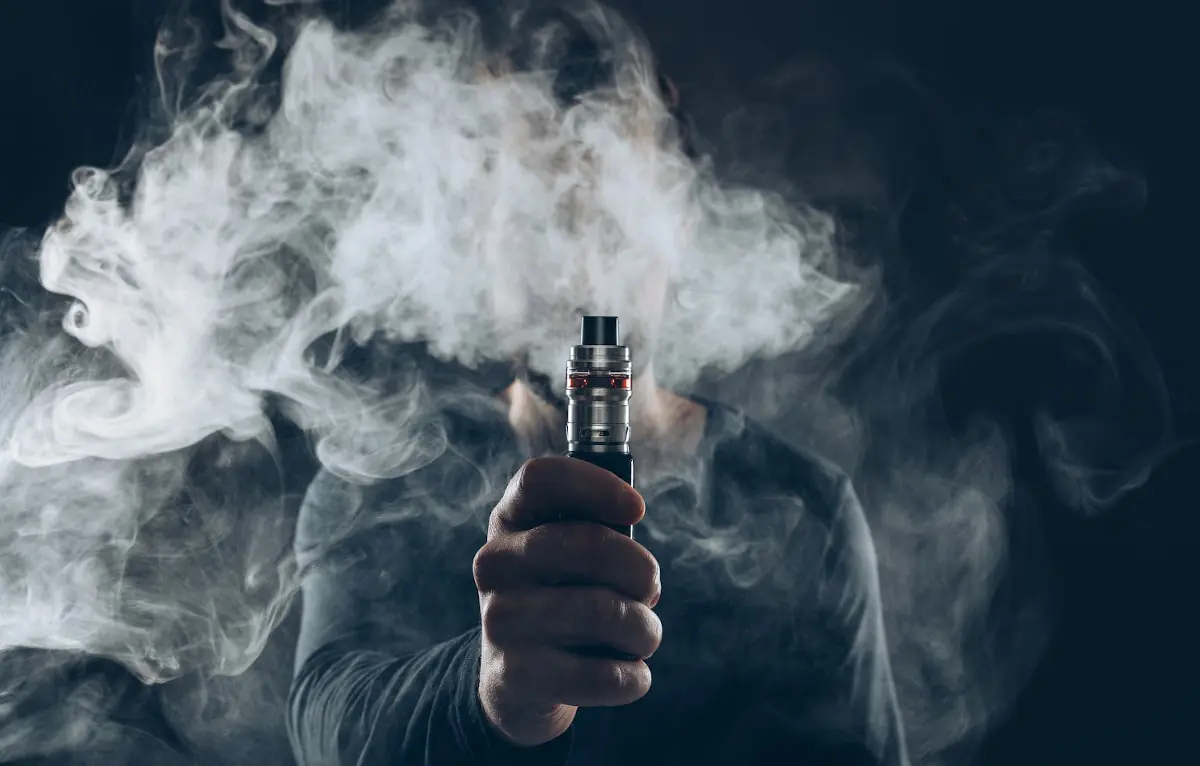
Quitting smoking is one of the most important steps you can take for your health. However, nicotine addiction and the daily habits built around cigarettes make quitting difficult for many people. In recent years, vaping has become a popular option for smokers looking to quit cigarettes by reducing harm and managing cravings.
While vaping is not completely risk-free, a growing body of evidence suggests that switching completely from smoking to vaping is significantly less harmful than continuing to smoke. This article explains how vaping works, how it can help smokers quit, potential risks, and what to consider if you decide to make the switch.
Table of Contents
- 1 What Is a Vape?
- 2 How Vaping Can Help You Quit Smoking
- 3 Is Vaping Less Harmful Than Smoking?
- 4 What U.S. Health Authorities Say
- 5 Long-Term Effects of Vaping
- 6 Vaping vs Smoking: Key Differences
- 7 Smoking vs Vaping — Health Impact Comparison
- 8 Common Myths About Vaping
- 9 Tips for Switching from Smoking to Vaping
- 10 How to Choose and Use a Vape
- 11 Vaping Side Effects
- 12 Vaping Safety Tips
- 13 Important U.S. Safety Notice
- 14 Reporting a Vaping Safety Concern
- 15 Where to Buy Vapes and E-Cigarettes
- 16 Final Thoughts: Is Vaping a Good Way to Quit Smoking?
What Is a Vape?
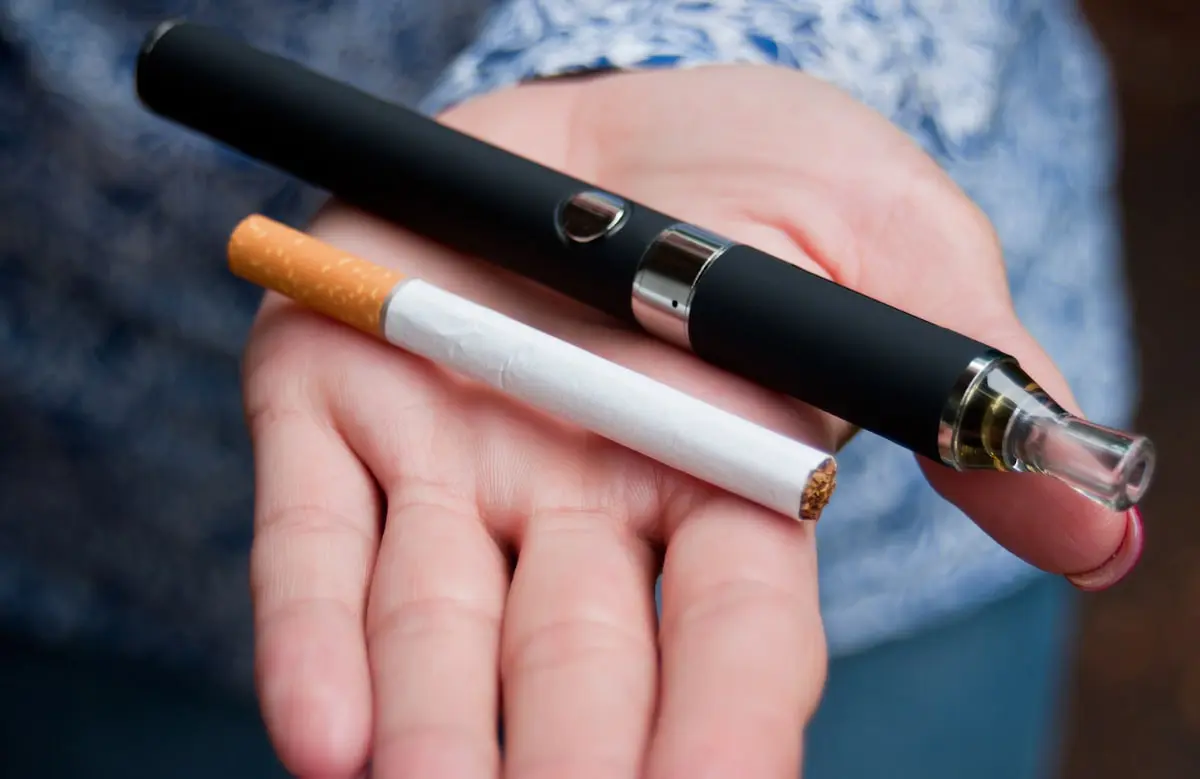
A vape, also known as an e-cigarette, is an electronic device designed to deliver nicotine without burning tobacco. Instead of smoke, vapes produce an aerosol (often called vapor) by heating a liquid known as e-liquid or vape juice.
Most e-liquids contain:
- Nicotine
- Propylene glycol (PG) and/or vegetable glycerin (VG)
- Flavorings
Because vaping does not involve combustion, it avoids many of the toxic chemicals produced when cigarettes burn, such as tar and carbon monoxide.
Did you know?
Nicotine itself is addictive, but it is not the main cause of smoking-related diseases. Most serious health risks come from inhaling toxic chemicals released by burning tobacco.
How Vaping Can Help You Quit Smoking
For many smokers, quitting is not just about nicotine — it’s also about breaking habits and routines. Vaping can help address both.
1. Managing Nicotine Cravings
Vapes allow users to choose different nicotine strengths, making it easier to control intake and reduce withdrawal symptoms like irritability, restlessness, and difficulty concentrating.
2. Replacing Smoking Rituals
The hand-to-mouth motion, inhaling, and throat sensation are similar to smoking, which can make the transition away from cigarettes feel more natural.
3. Harm Reduction
Switching completely from smoking to vaping reduces exposure to thousands of harmful chemicals found in cigarette smoke.
Important:
You will only get the full benefit if you stop smoking cigarettes entirely. Using both cigarettes and vapes at the same time (dual use) significantly reduces the health benefits.
Did you know?
Research suggests smokers who switch to vaping are more likely to quit successfully compared to those using some other nicotine replacement products alone.
Nicotine Strength Guide for Smokers Switching to Vaping
Choosing the right nicotine strength is an important step when switching from smoking to vaping. The goal is to manage cravings effectively without causing discomfort.
It’s also important to understand that e-liquids typically come in two common forms: freebase nicotine and nicotine salts (nic salts). These forms deliver nicotine differently and are used at different strength ranges, which can be confusing for new vapers.
Nicotine Strength Guide (General Starting Ranges)
| Smoking Habit | Freebase Nicotine | Nicotine Salts |
|---|---|---|
| Light smoker (1–5 cigarettes/day) | 3–6 mg | 10–20 mg |
| Moderate smoker (6–15 cigarettes/day) | 6–12 mg | 20–30 mg |
| Heavy smoker (20+ cigarettes/day) | 12–18 mg | 35–50 mg |
Key Differences to Keep in Mind
- Freebase nicotine provides a stronger throat hit and is typically used at lower nicotine strengths. It is commonly found in refillable tanks and higher-power devices.
- Nicotine salts are smoother at higher strengths and are absorbed more efficiently by the body, which is why they are often used by heavier smokers and beginners using low-power pod-style devices.
Important
This table provides general guidance, not medical advice. Individual nicotine needs vary depending on device type, vaping frequency, and personal tolerance. If you feel lightheaded or uncomfortable, your nicotine strength may be too high. If cravings persist, it may be too low.
Nicotine Delivery — Cigarettes vs Vaping
| Aspect | Cigarettes | Vaping |
|---|---|---|
| Nicotine delivery | Fixed per cigarette | Adjustable |
| Control over intake | Low | High |
| Speed of nicotine absorption | Fast | Fast (varies by device) |
| Ability to reduce nicotine | No | Yes |
| Withdrawal management | Difficult | Easier for many smokers |
Is Vaping Less Harmful Than Smoking?
Yes — based on current evidence, vaping is widely considered less harmful than smoking.
Cigarette smoke contains thousands of chemicals, many of which are toxic and known to cause cancer, heart disease, and lung disease. Vape aerosol contains far fewer chemicals and at much lower levels.
However, less harmful does not mean harmless.
Common Smoking Toxins vs Vaping Aerosol
| Substance | Cigarette Smoke | Vape Aerosol |
|---|---|---|
| Tar | Yes | No |
| Carbon monoxide | Yes | No |
| Formaldehyde | Yes (higher levels) | Possible (much lower levels) |
| Heavy metals | Yes | Trace amounts possible |
| Combustion byproducts | Yes | No |
What U.S. Health Authorities Say
In the United States, public health organizations take a cautious but evidence-based approach to vaping. According to the Centers for Disease Control and Prevention (CDC), e-cigarettes generally contain fewer toxic chemicals than combustible cigarette smoke. This is because vaping does not involve combustion, which is the primary source of harmful byproducts in traditional smoking.
A comprehensive review by the National Academies of Sciences, Engineering, and Medicine (NASEM) concluded that completely switching from cigarettes to e-cigarettes reduces exposure to many toxic substances linked to smoking-related diseases. However, U.S. authorities emphasize that these potential benefits apply only to adult smokers who switch fully — not to non-smokers or youth.
At the same time, the U.S. Food and Drug Administration (FDA) has not approved e-cigarettes as smoking cessation devices and notes that nicotine remains addictive. For this reason, vaping is discussed in the U.S. primarily as a harm reduction approach rather than a formally approved quit-smoking treatment.
Long-Term Effects of Vaping
Vaping has not been around long enough for scientists to fully understand its long-term health effects. While it is unlikely to be as dangerous as smoking, it is also unlikely to be completely safe.
- Non-smokers should not start vaping
- Children and teenagers should never vape
- The healthiest option is to avoid both smoking and vaping
If you use vaping to quit smoking, it’s recommended to eventually reduce nicotine use and stop vaping as well.
Vaping vs Smoking: Key Differences
| Smoking | Vaping |
|---|---|
| Burns tobacco | No combustion |
| Produces tar and carbon monoxide | No tar or carbon monoxide |
| Thousands of toxic chemicals | Significantly fewer chemicals |
| High risk of cancer and heart disease | Lower overall health risk |
Smoking vs Vaping — Health Impact Comparison
| Factor | Smoking Cigarettes | Vaping (E-cigarettes) |
|---|---|---|
| Combustion | Yes (tobacco is burned) | No combustion |
| Tar exposure | High | None |
| Carbon monoxide | High | None |
| Number of chemicals | Thousands | Significantly fewer |
| Cancer risk | Very high | Lower (long-term risk still studied) |
| Heart disease risk | High | Lower than smoking |
| Lung disease risk | High | Lower than smoking |
| Harm to others | Proven secondhand smoke harm | Lower risk, still being studied |
Common Myths About Vaping
Myth: Vaping is just as harmful as smoking
Fact: Evidence consistently shows vaping is less harmful than smoking, though not risk-free.
Myth: Vaping causes “popcorn lung”
Fact: There is no confirmed evidence linking regulated vaping products to popcorn lung. The condition was linked to workplace exposure to high levels of diacetyl, not normal consumer vaping use.
Myth: Nicotine causes cancer
Fact: Nicotine is addictive but is not classified as a carcinogen.
Tips for Switching from Smoking to Vaping
- Choose a nicotine strength that controls cravings
- Vape as often as needed at first — this is normal
- Avoid switching back and forth between cigarettes and vaping
- Be patient — finding the right setup may take time
Research from U.S. public health institutions consistently highlights one critical factor: complete switching matters. The CDC warns that using both cigarettes and e-cigarettes at the same time (“dual use”) does not provide the same reduction in health risks as fully replacing cigarettes with vaping.
Even smoking a small number of cigarettes per day continues to expose the body to harmful levels of toxic chemicals. For adult smokers considering vaping as an alternative, U.S. experts recommend setting a clear goal to stop smoking entirely rather than using vaping alongside cigarettes.
Did you know?
Vaping generally costs significantly less than smoking once the initial device is purchased.
How to Choose and Use a Vape
Smokers often find success with:
- Pod systems
- Vape pens
- Low-power devices that produce smaller vapor clouds
It’s important to use your vape consistently, especially during the early stages of quitting smoking, to avoid relapse.
Short-Term Effects When Switching from Smoking to Vaping
| Effect | What May Happen |
|---|---|
| Cough | Temporary increase or decrease |
| Sense of taste | Often improves |
| Breath | Less smell than smoking |
| Cravings | Reduced with correct nicotine level |
| Throat irritation | Possible at first |
Vaping Side Effects
Some people experience mild side effects when starting vaping, including:
- Dry mouth or throat
- Coughing
- Headaches
- Throat irritation
These effects are usually temporary and often improve with small adjustments, such as changing nicotine strength or e-liquid composition.
Vaping Safety Tips
- Keep vapes and e-liquids away from children and pets
- Use the correct charger and avoid overcharging
- Do not modify devices or use damaged batteries
- Buy products from reputable retailers
Important U.S. Safety Notice
U.S. health authorities stress that no tobacco or nicotine product is completely safe. While vaping may reduce exposure to certain harmful chemicals compared to smoking, it still carries risks — particularly due to nicotine addiction. The FDA advises that adults who do not currently use tobacco products should not start vaping, and pregnant individuals should avoid nicotine exposure altogether.
Reporting a Vaping Safety Concern
Serious reactions to vaping are rare, but if you experience unusual symptoms or suspect a faulty product, stop using it and seek medical advice. Reporting safety concerns helps improve product standards and consumer safety.
Where to Buy Vapes and E-Cigarettes
Vaping products are available from:
- Specialized vape and smoke shops
- Online vape retailers
- Some convenience stores and specialty stores
Always choose reputable sellers that follow safety and quality regulations.
Smoking vs Vaping — Addiction Perspective
| Aspect | Smoking | Vaping |
|---|---|---|
| Nicotine addiction | Yes | Yes |
| Behavioral addiction | Strong | Moderate |
| Ability to taper use | No | Yes |
| Support quitting | Limited | Can help some smokers |
| Goal outcome | Quit smoking | Quit smoking, then quit vaping |
Final Thoughts: Is Vaping a Good Way to Quit Smoking?
For adult smokers in the United States, vaping is increasingly discussed as a harm reduction option rather than a guaranteed path to quitting nicotine altogether. U.S. public health agencies acknowledge that completely switching from cigarettes to vaping may reduce exposure to harmful chemicals, but they also emphasize that e-cigarettes are not FDA-approved smoking cessation tools.
The most effective long-term strategy remains quitting all tobacco and nicotine use. However, for smokers who have struggled to quit using traditional methods, transitioning fully away from combustible cigarettes may represent a step toward reducing smoking-related harm.
